
Quality
AQL in Apparel Quality Control: What Buyers Should Actually Ask Their Factory
Understand what AQL sampling can tell you, what it cannot, and how to agree on apparel quality checks before production begins.
SBROS Quality Team · October 1, 2026
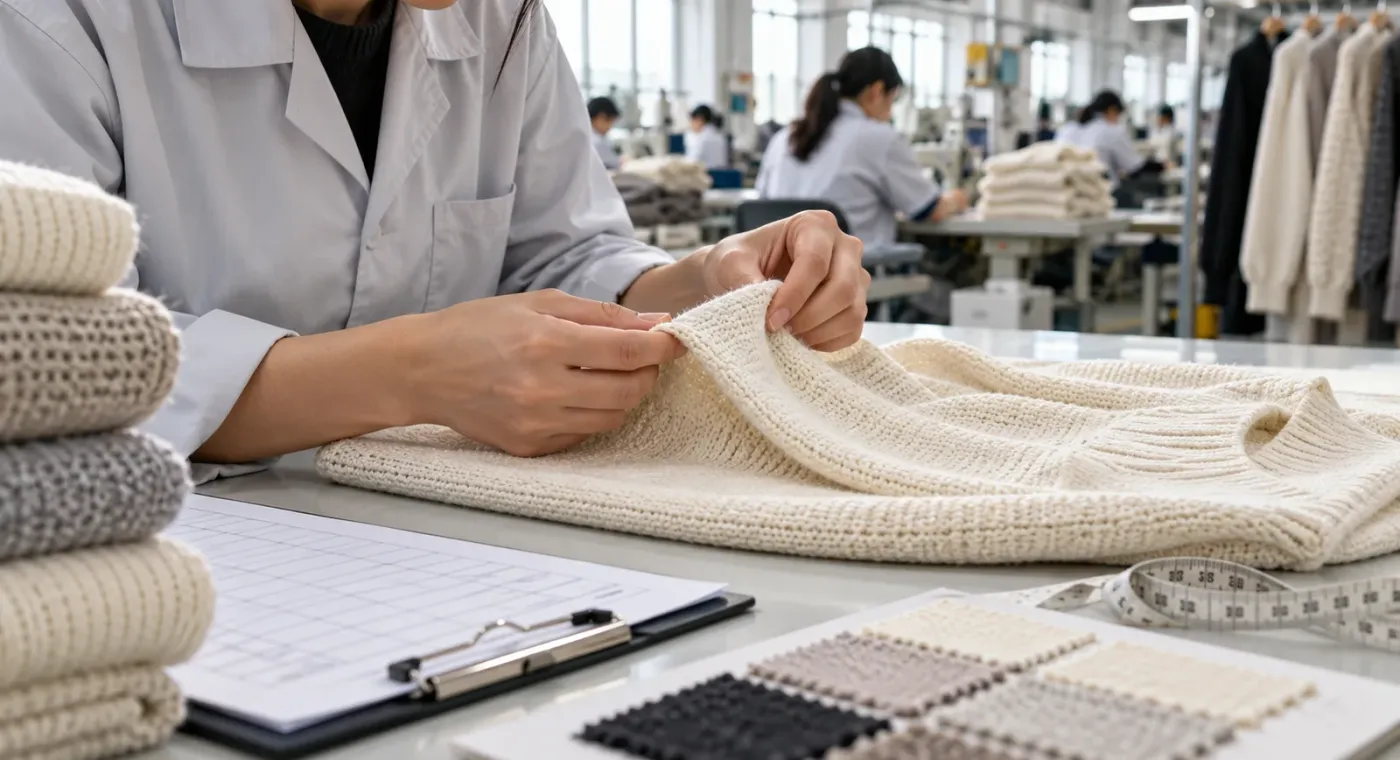
An inspection report marked “pass” can feel like the end of a quality conversation. It should be the start of a more precise one.
For an apparel buyer, AQL is often reduced to a number on a purchase order. But an acceptance sampling plan only makes sense when the buyer and factory have already agreed on what is being inspected, which defects matter, and what decision the result will support. It is one checkpoint in a quality system, not a promise that every garment in a shipment is flawless.
What AQL means in a garment program
Acceptance Quality Limit (AQL) is used in sampling plans to set acceptance and rejection criteria for an inspected lot. An inspector checks a defined sample rather than every unit, then compares the findings with agreed rules. The selected plan depends on factors such as lot size, inspection level, defect classification, and the standard or customer protocol adopted for that order.
That distinction matters: an AQL result describes a decision under a sampling plan. It does not tell you that a specific percentage of the shipment is defective, and it does not replace clear product specifications or process controls. Buyers should avoid treating a single AQL figure as a universal quality grade.
Agree on the rules before bulk production
Before production begins, align on the approved sample, current technical pack, measurement points and tolerances, construction details, material standards, inspection stage, lot definition, and defect categories. “Major” and “minor” defects need product context. A visible shade variation may be unacceptable for one program and manageable for another; a broken seam or a sharp component carries a different risk.
Write down who defines the inspection lot, who selects or supervises the sample, which checklist is used, and what happens when a lot is rejected. Clarify whether a reinspection, sorting, repair, or replacement is expected and who approves it. Ambiguity at this stage often turns an inspection result into a commercial dispute.
Ask how quality is controlled during production
Final inspection is useful, but prevention begins earlier. Ask the factory:
- What is checked when yarn, fabric, and trims arrive?
- Which operations receive in-line checks, and how are findings recorded?
- How is output compared with the approved sample and specification?
- Who can stop or escalate production when a recurring issue appears?
- How are corrective actions verified before work continues?
Strong answers refer to responsibilities, records, and actions. “We do strict QC” is not enough detail for a buyer to evaluate a program.
Read the report, not only the result
When a report arrives, check the lot size, sample size, inspection stage, checklist version, defect descriptions, and supporting photographs. Look for patterns: several units with the same measurement issue may point to a process problem, even if the total count falls within an acceptance rule. Ask whether the result is isolated or recurring and what corrective action follows.
Sampling reduces the burden of checking every unit, but it also means the sample cannot reveal everything about the lot. The approved product definition, material checks, operator training, in-line monitoring, and traceable records remain essential. A “pass” is useful evidence for a decision; it is not proof that no defect exists.
Build a practical quality agreement
For each style, maintain a controlled reference set: approved sample, specification revision, measurement tolerances, color and material standards, defect guide, inspection plan, and escalation contacts. Revisit the agreement when the product, market, material, or customer requirements change.
For a broader supplier review, read our guide to evaluating a knitwear manufacturer. Then connect the quality plan to the pre-production meeting checklist and fabric testing before bulk production.
If you are preparing a knitwear program, talk with the SBROS team about the specifications and controls your order requires.