
Materials
Pima cotton development: choosing yarn, knit construction and finish for the product you want to sell
A product-development guide to specifying Pima cotton yarn, knit construction and finishing through samples and measurable performance requirements.
SBROS Product Development Team · November 1, 2026
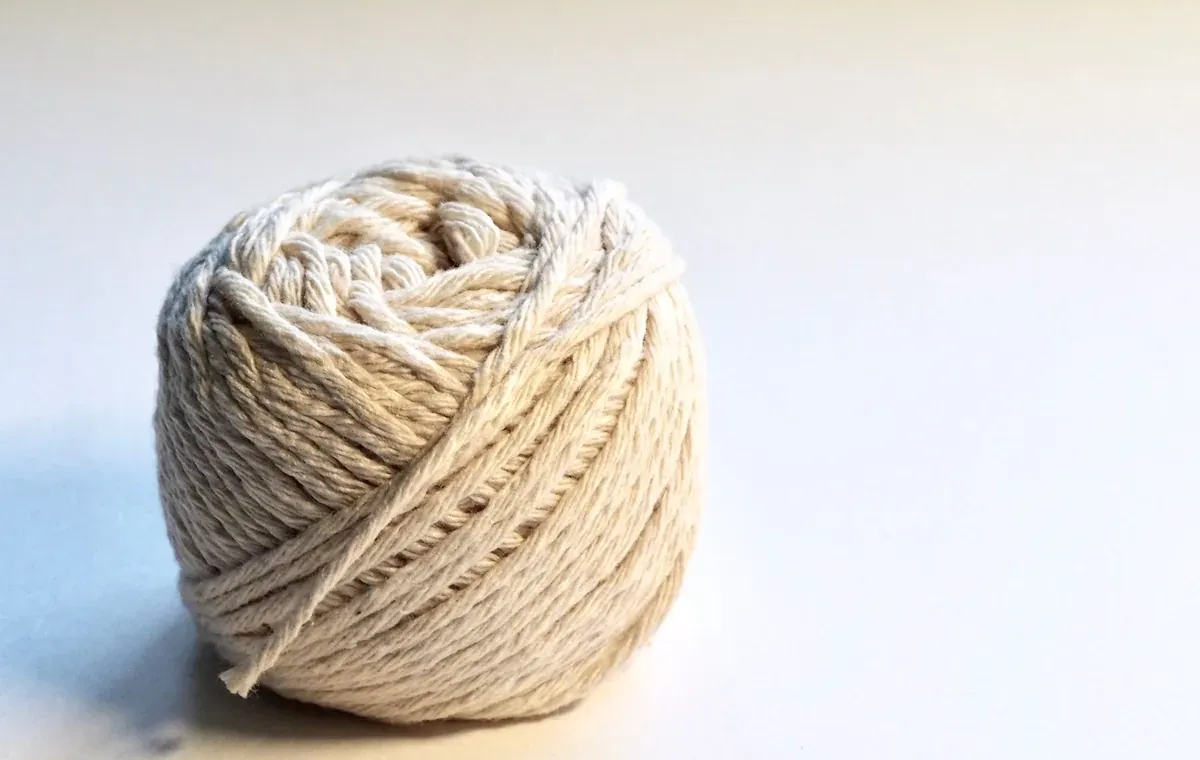
Choosing Pima cotton is not yet a product specification. A buyer may approve a fiber story and still receive a fabric whose weight, surface, recovery or wash performance misses the brief. The difference is development: turning a material preference into decisions about yarn, knit structure, finishing and tests, then confirming those decisions on representative samples.
Pima is a long-staple cotton category, but the final hand and performance depend on more than the fiber name. Yarn system and count, twist, construction, gauge, dyeing, finishing and garment design all matter. CottonWorks’ overview of cotton varieties is a useful starting point, not a substitute for a fabric specification or sample review. For a broader comparison of fiber choices, see our guide to Pima versus generic cotton.
Work backward from the garment brief
Begin with the intended use and customer experience. Is the fabric for a clean, compact tee, a fluid top, a substantial sweatshirt or a fine-gauge knit? Describe the target hand, opacity, drape, warmth, surface and silhouette. Reference images help communicate direction, but identify what matters in each image; no reference conveys weight or recovery reliably on its own.
Then settle the variables that materially affect the result:
| Development choice | What to define | What to review on the sample |
|---|---|---|
| Fiber and yarn | Fiber specification, yarn system, count and supplier documentation | Surface, strength, hairiness and consistency between lots |
| Knit structure | Jersey, rib, interlock or another construction; gauge and target weight | Drape, opacity, stretch, recovery and dimensional stability |
| Color and dyeing | Color standard, approved tolerance and process route | Shade under agreed lighting, variation across panels and crocking risk |
| Finish | Softener or other finish, mechanical treatment and care requirements | Hand, pilling, shrinkage and whether finishing changes fit or appearance |
| Garment | Measurements, seams, trims and intended fit | Fit on the intended size set, seam behavior and after-wash appearance |
These decisions interact. A heavier fabric can improve opacity but alter drape and cost. A soft finish may please at first touch yet affect pilling or absorbency. A compact knit may suit a structured silhouette but feel too warm for the intended climate. Avoid solving one concern in isolation: confirm the result on the garment, not only on a small swatch.
Make sample approval measurable
Put the target and tolerances in the tech pack. Record the approved construction, weight range, color reference, measurement points, care instructions and any required test methods. Keep a dated, identified approval sample as the reference for bulk. If a substitution becomes necessary, document the difference and obtain written approval before production.
Plan tests around the product’s risks: dimensional change after laundering, pilling, colorfastness, spirality or seam performance where relevant. Name the method and conditioning requirements, and confirm with the testing laboratory that it fits the fabric and intended market. A result belongs to the tested specimen and conditions; it is not a blanket guarantee for every production lot. Our guide to fabric tests before bulk production explains how to connect test planning with production decisions.
Protect the approved result through bulk
At pre-production, compare bulk yarn and fabric against the approved references. Align the mill, dyehouse, garment factory and brand on version control, shade bands, inspection points and escalation rules. Reconfirm after any material, dye-lot, machine or finishing change. This is especially important when the product has several colors or trims that can shift the perceived shade and hand.
Pima can be a sound choice when the product brief and sourcing plan support it; it is not a guarantee of premium quality by itself. Define the customer outcome, select a construction that serves it, and approve evidence from representative samples. For coordinated support from specification through export, review our full-package apparel services or contact the team with your tech pack and target market.